
 0333 444 0070
7 minute read

5 Ways To Help Prevent A Fire Spreading



on a live Network Rail site.
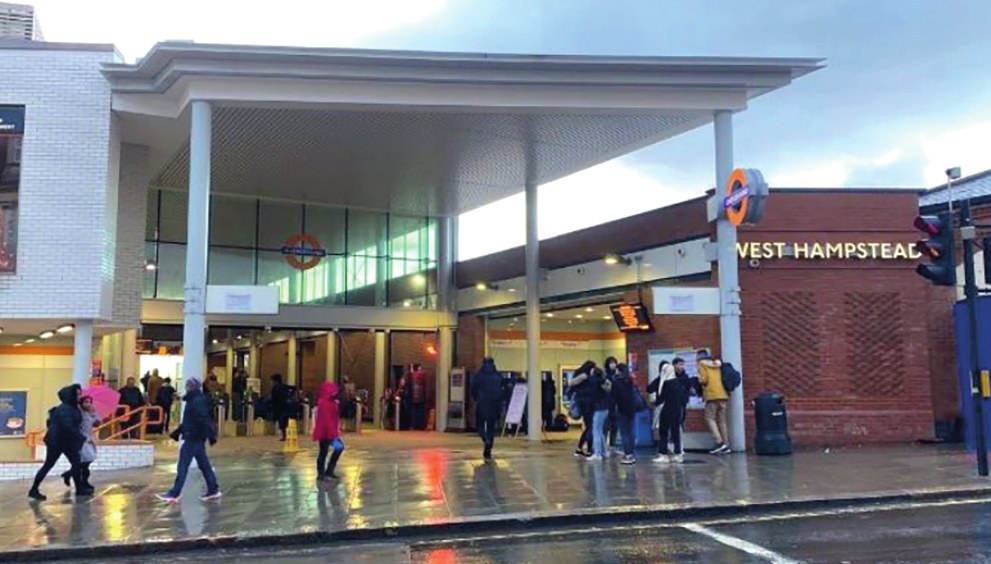
Fire Industry Specialists delivered a complete fire stopping and fire door package at the power signal box at West Hampstead Overground station in north-west London.
The signal box is an essential part of Network Rail’s infrastructure. The work had to be finished in the shortest possible time, with no impact on railway operations and no disruption to passengers.
At every stage, we followed Network Rail’s “Trackside” health and safety requirements for contractors. The project was delivered safely, with zero harm and zero operational impact.
West Hampstead is a busy rail interchange in north-west London, with passengers passing through all day. The power signal box beside it houses equipment that keeps trains moving safely, so it has to stay operational around the clock.
In buildings like this, passive fire protection matters for two reasons. It protects the people who work there, and it protects the equipment inside. If a fire spread between rooms through an unsealed penetration or a failed fire door, the damage could go well beyond the building itself.
The brief was to provide a complete fire stopping and fire protection solution.
Where fire doors weren’t performing as required, they had to be brought up to standard or replaced.
The difficulty was the setting:
We put in place a joined-up programme management system with the Network Rail teams. Each task was scheduled around the signal box’s operations and the station’s busiest periods.
All our site personnel worked strictly to Network Rail’s Trackside health and safety requirements. We kept the highest safety standards for our own team, railway staff and the public.
We identified and sealed service penetrations, joints and voids in the fire-resisting walls and floors. This restored the compartmentation that separates the signal box’s rooms.
We inspected each fire door. Where a door could be brought back to standard, we repaired it. Where it couldn’t, we replaced it.
Working in a live signal box calls for a different level of planning and discipline than a typical commercial site. On this project we kept to four standards:
The West Hampstead power signal box now has compliant fire stopping, and its fire doors have been repaired or replaced to the required standard. Its compartmentation is protecting both people and critical signalling equipment again. We delivered the work to a tight programme, with no impact on railway operations and no disruption to passengers.
FIS works with main contractors, facilities managers and asset owners to deliver fire stopping and fire door works in buildings that can’t close.
These include rail and utility infrastructure, hospitals and occupied residential blocks.
With coverage across the UK as part of the LS Fire Group, we plan every job around your operations, not ours.
Call us on 0333 444 0070 or request a callback.
Fire safety is a responsibility that never rests and we’re here to implement complete fire protection for your business. Get in touch with our industry-leading experts to learn how we prevent fires, protect lives, and ensure compliance for you.



Fire Industry Specialists offer expert fire safety solutions to protect homes and businesses and ensure complete compliance with UK fire safety standards and regulations.