


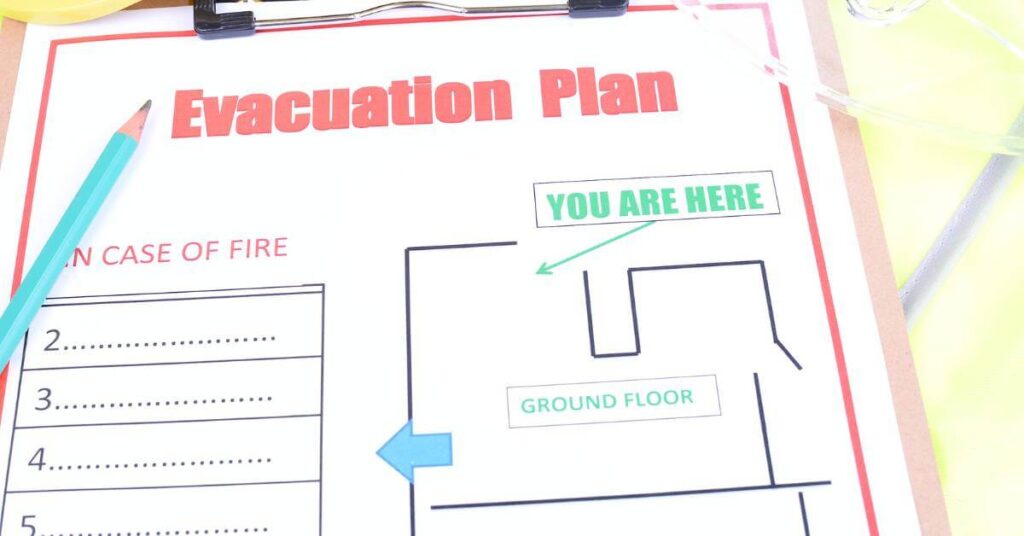
Fires can have devastating consequences, from loss of life to significant property damage. However, with a clear and well-structured fire safety plan, it ensures your building is prepared to prevent fires and respond effectively in an emergency. But what is a fire safety plan and why is it so important to have one?
In this blog, we explore everything you need to know about fire safety plans, including what they are, why they matter, and we’ll share some tips to create a robust plan for your property that protects lives, assets, and operations.
What is a fire safety plan?
A fire safety plan, also known as a fire safety management plan, is a formal document that outlines the necessary fire precautions, safety measures, and emergency procedures needed to prevent and respond to fire incidents within a building.
As recommended by the Regulatory Reform (Fire Safety) Order 2005, a fire safety plan should come as part of a fire risk assessment as it enables businesses and property owners to monitor and manage fire safety, as well as provide a basis for reducing the risk of fire. It should also be readily available and communicated to all occupants of the building. Some key components of a fire safety management plan include:
- The building itself, including the purpose, layout, and materials
- Clearly marked and maintained emergency exits
- Any evacuation procedures
- Fire fighting equipment in place to tackle a fire
- Emergency lighting and fire safety signage
- Regular fire safety training and awareness for staff
- A safe meeting point for all building users
Why are fire safety plans important?
The importance of fire safety plans cannot be overstated. They’re more than just a simple tick-box exercise – they play a crucial role in numerous ways including:
- Fulfilling responsibilities – as stated in UK fire safety regulations, the ‘responsible person’ has an obligation to manage fire risks and implement fire safety measures, and a written fire safety plan demonstrates that duty is being met.
- Reducing fire risks – by identifying and addressing potential hazards, a fire safety plan actively helps reduce the likelihood of a fire occurring.
- Saving lives in an emergency – with a clear evacuation plan, regular fire drills, and defined roles included in the plan, it ensures everyone knows how to act quickly and safely if a fire breaks out.
- Protecting business continuity – a robust fire safety management plan helps safeguard business operations and reputation because you’re able to minimise property damage and business disruption.
- Meeting insurance requirements – many insurers often require a documented and regularly updated fire safety plan as part of their policy terms, meaning you can avoid any disruptions should the worst happen.
What should be included in a fire safety plan?
When creating a comprehensive plan for fire safety, there are several elements that should be included to ensure lives are saved and minimal damage is caused to your property. Some key elements include:
Fire risk assessment
As we’ve briefly mentioned, an up-to-date fire risk assessment is the foundation of your fire safety plan. This is because it identifies fire hazards specific to your environment and evaluates who might be the most at risk. From here you can determine and document how to eliminate or reduce those risks.
Fire prevention measures
Your plan should outline the steps you will take, or have taken, to prevent fires in your building. This might include the safe storage of flammable materials, the proper use of electrical equipment, or housekeeping standards you will adhere to to avoid obstruction of fire exits and escape routes, or buildup of combustibles.
Fire detection and warning systems
You should specify what fire alarm and detection systems are in place in your building, as well as how they are maintained, when they’re tested, and how often this is to show they remain in full working condition at all times. You should also specify how they alert building occupants in the event of a fire.
Emergency evacuation procedures
This section of the plan should describe how people will evacuate the premises safely. It should include information on elements such as escape routes, signage, assembly points, and provisions for vulnerable persons for example.
Roles and responsibilities
Your fire safety plan should clearly detail any assigned responsibilities during fire events, so everyone in your building is aware of their role. This should include fire marshals, those assisting with evacuation, and the main person who will contact the emergency services.
Firefighting equipment
Your plan should include a full list of all of the fire extinguishers, sprinklers, and any other fire suppression tools available in your building, along with instructions for their safe use.
Training and fire drills
It’s important to include full documentation of any training you provide for staff and your schedule of fire drills, as this shows that everyone knows what to do in a real emergency.
Our tips for creating a robust fire safety plan
If you’re looking to create a fire safety management plan, it’s strongly recommended you speak with a professional fire safety company like Fire Industry Specialists (FIS). Our IFE-certified experts have the correct knowledge, expertise, and qualifications to help create a comprehensive plan specific to your premises.
Here are some tips to creating and maintaining a robust fire safety plan:
- Base it on a thorough fire risk assessment – your plan should be tailored to your premises, occupancy, and the fire risks identified in your fire risk assessment.
- Engage your team – consult with staff and fire wardens to ensure your plan is understood and realistic.
- Keep it accessible – make sure your plan is available in both print and digital format, and easy for everyone to locate.
- Test and review regularly – you should update your plan after there has been any significant changes to your premises, or staff turnover.
- Factor in all users – be sure to consider the needs of disabled persons or others who may need assistance during evacuation.
Let us help with your fire safety plan
Creating and maintaining an effective fire safety plan can be time-consuming and complex. However at FIS, we’re backed by the LS Fire Group which means we support businesses across the UK in developing fire safety plans that keep people and property safe with the help of our partner brands.
Our fire safety specialists can provide fire risk assessments, tailored safety planning, staff training, ongoing fire compliance support, and much more. Don’t hesitate to get in touch with us today to learn how we can help you create a fire safety management plan that saves lives and protects property.
Fire safety plan FAQs
- Is a fire safety plan a legal requirement in the UK?
- While creating a fire safety plan isn’t a legal requirement, it is recommended as part of fire safety legislation, and as part of your fire risk assessment, as it demonstrates that the ‘responsible person’ is meeting their obligations of ensuring fire safety measures are in place.
- What’s the difference between a fire risk assessment and a fire safety plan?
- A fire risk assessment identifies hazards and assesses the risks, while a fire safety plan outlines how those risks are managed, how fires are prevented, and how to respond if a fire occurs. Your fire risk assessment should be seen as the foundational part of the plan.
- How often should a fire safety plan be reviewed?
- It’s generally recommended that a fire safety plan should be reviewed at least annually, and also after any significant changes to the building layout, staffing, or changes in operations. Fire incidents (including near misses) should also prompt a review of your plan.