


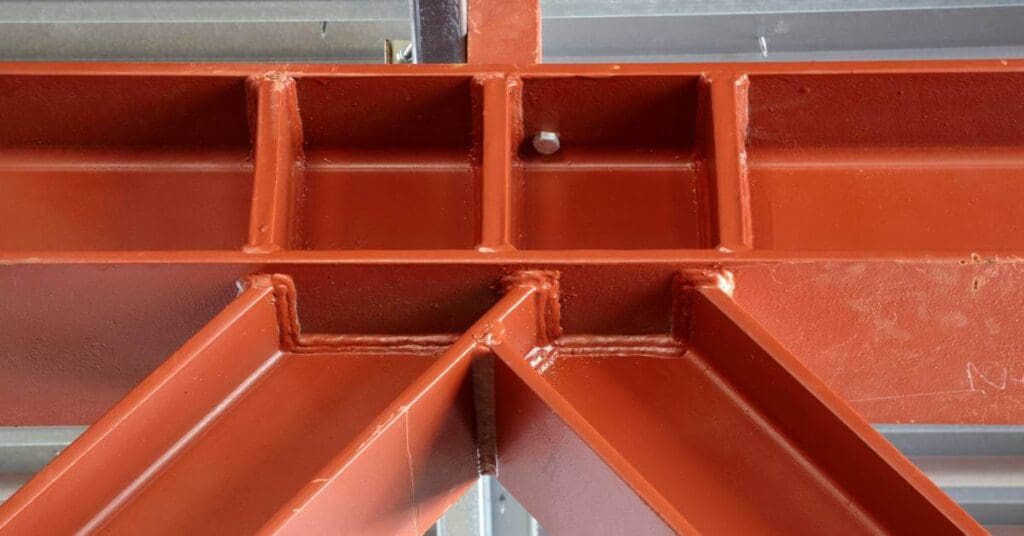
Among the various fire protection measures that can be implemented in a building, fire protection paint, also known as intumescent paint, is a highly effective and versatile solution. That’s because it provides valuable time for evacuation and helps to minimise structural damage in the event of a fire.
In this guide, we’ll walk you through everything you need to know about fire protection paint. From how it works to how you apply it, you’ll have a better understanding of the importance of fire protection paint and how it can safeguard your property and its occupants.
What is intumescent paint?
Intumescent paint is a specialised type of flame retardant coating that plays a critical role in passive fire protection strategies. Unlike conventional paints that mainly serve aesthetic purposes, intumescent paint reacts chemically when exposed to high temperatures. This reaction transforms the paint into a thick, insulating char and can significantly slow the spread of fire and heat.
This type of passive fire protection is a popular choice thanks to the many benefits it brings. For example it’s highly effective at protecting structural steel and other elements that can often lose strength during a fire. As well as that, it shows compliance with The Regulatory Reform (Fire Safety) 2005 regulations, which all commercial buildings must comply with.
The effectiveness of fire protection paint is usually measured by how long it can withstand high temperatures, which is also known as the fire rating. In most cases, intumescent paint can maintain the structural integrity of the coated material for around 30 to 120 minutes during a fire.
Essentially, intumescent paint acts as a barrier and can slow the transfer of heat to underlying materials of a building’s structure, such as steel, timber or concrete. This gives occupants more time to evacuate and firefighters crucial time to control the fire outbreak.
What are the different types of intumescent paint and their uses?
There are various types of intumescent paint available, each designed for specific applications. Here are some of the most common types:
- Water-based intumescent paint – this is commonly used for interior steel and timber structures, and in situations where volatile organic compounds (VOC) is a concern.
- Solvent-based intumescent paint – often used for exterior application, this type provides a durable and moisture-resistant barrier. It’s also suitable for steel beams and other load-bearing elements.
- Epoxy intumescent paint – this type is known for its excellent adhesion and abrasion resistance, making it ideal for high-traffic areas, industrial environments, and situations where additional protection from mechanical damage is needed.
Intumescent paint is a versatile option in terms of aesthetics too, as it often comes in a range of colours and finishes, meaning you can incorporate it into the overall design of your building.
How does intumescent paint work?
The remarkable fire resistance of fire protection paint lies in their carefully engineered chemical composition, typically composed of three key components: a binder, an acid source, and a blowing agent. When exposed to heat, these components interact to create a multi-layered, protective char.
The binder, which holds the coating system together, melts. As this is happening, the acid within the paint decomposes and releases gases that cause the blowing agent to expand. This expansion creates lots of tiny bubbles within the binder, dramatically increasing the coating’s volume.
As the temperature continues to rise during a fire, the surface spread of flame is slowed by the insulating char. It’s this dense char that acts as a highly effective thermal barrier and shields the underlying structure from the damaging effects of the fire.
How to apply intumescent paint
Before you apply your chosen fire protection paint, you’ll want to thoroughly prepare the surface you’re going to paint, including removing rust, dirt, and grease. Doing this will ensure even coverage and enhance the effectiveness of the paint. You’ll also want to consider priming your material as this provides a uniform surface for the intumescent paint to bond to.
Once you’ve prepared and primed the surface area, here’s a step-by-step process of how to apply intumescent paint:
- Apply the intumescent basecoat – whether you’re spraying, brushing, or rolling, apply your basecoat evenly across the prepared surface. It’s important to achieve the specified dry film thickness, as this will contribute to the number of minutes of fire resistance the coating will provide. You might have to apply multiple coats to achieve the correct thickness.
- Allow adequate drying time – you should follow the manufacturer’s instructions for drying time between coats. If you don’t allow sufficient drying time, it may compromise the integrity of the paint and fire protection capabilities.
- Apply a finish coat – in some cases, a finish coat may be needed for aesthetic reasons, to provide additional weather resistance, or to meet specific project requirements. Be sure to read the manufacturer’s recommendations to see whether this is necessary for you.
Key factors to consider when choosing the right fire protection paint
With so many intumescent paints available, it’s essential to select the right product based on your specific requirements. Here are some key considerations to keep in mind when choosing the right paint:
- Fire rating – you want to ensure the intumescent paint you choose has the correct fire resistance for your specific needs. You often have a choice between 30, 60, 90, or 120 minutes. A fire risk assessment should help you determine which fire rating you need.
- Compatibility – make sure you choose a paint that is compatible with the material you intend to paint, whether its steel, timber, or concrete. To enhance durability, you should consider adding a compatible primer.
- Environmental conditions – be sure to consider environmental conditions such as moisture, UV radiation, or chemical fumes when choosing your fire protection paint as you’ll want to opt for a paint that can withstand these conditions.
- Aesthetics – you’ll want to consider your desired finish, including the colour and finish of the paint so it matches with your building’s design.
Speak to our experts for more advice
It’s clear to see that fire protection paint plays a crucial role in safeguarding buildings against the devastating effects of fires. As well as that, it provides additional and valuable time for people to evacuate the building and ensures you’re complying with fire safety regulations.
At Fire Industry Specialists, we implement a range of passive fire protection measures, including intumescent paint, for businesses nationwide. Our fully qualified team of experts help to ensure buildings are safe and compliant in Lincoln, Nottingham, Manchaster, Birmingham, and Sheffield.
If you’d like to learn more about passive fire protection in your building, don’t hesitate to get in touch with us today and book an appointment. We’re here to assist and advice and can provide quotes for any work needed.
Intumescent paint FAQs
- What is the lifespan of fire protection paint?
- The lifespan of fire protection paint varies depending on factors like environmental conditions and maintenance. In controlled, atmospheric environments, it can last for decades. However, exposure to moisture, UV radiation, or abrasion can degrade the carbon layer, making regular inspections and maintenance crucial for ensuring long-term effectiveness.
- What materials can intumescent paint be applied to?
- Intumescent paint can be applied to a variety of surfaces, including, steel structures, wood, concrete, plasterboard, and certain plastics.
- Does intumescent paint require any maintenance?
- Intumescent paint should be inspected periodically, especially in high-traffic or exposed areas. If the paint is damaged or weathered, it may need to be recoated or repaired to maintain its fire-protective properties.
- Can intumescent paint be applied by anyone?
- For maximum effectiveness, intumescent paint should be applied by trained fire safety professionals, like Fire Industry Specialists, who understand the necessary thickness, curing times, and specific requirements of the product.